
Is Your Alarm System Actually Being Monitored?
Here's How to Know for Sure
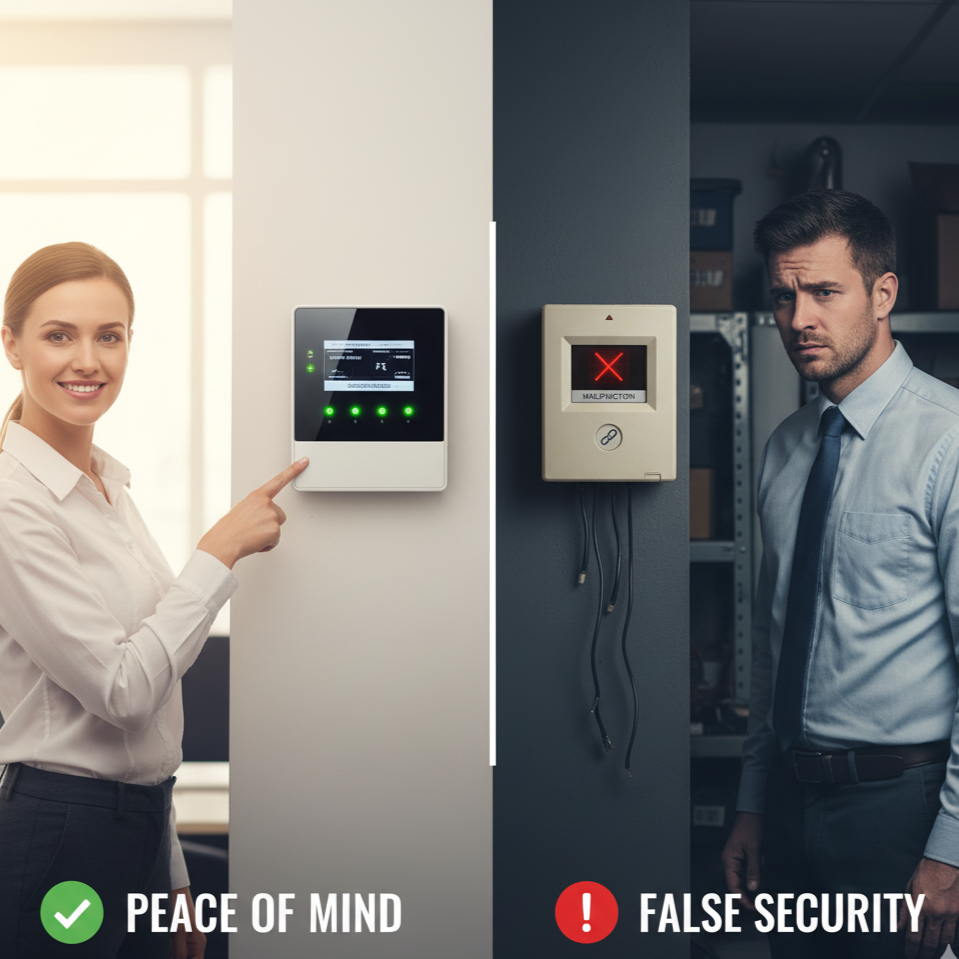
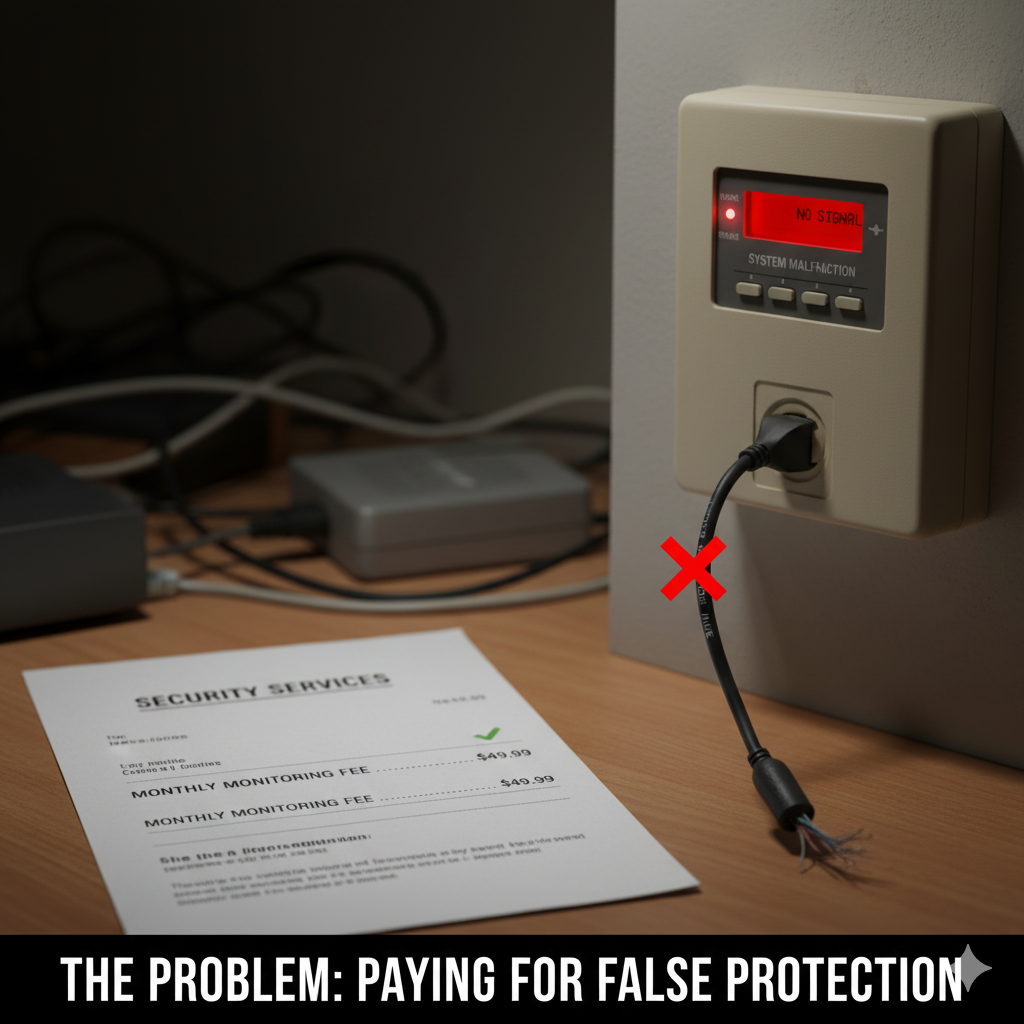
I heard a story this week that made my blood boil. A business owner had been paying for alarm monitoring for over a year. When she finally needed it to work, she discovered her system had never been connected to the monitoring station.
Not for a week. Not for a month. For over a year, she'd been writing checks for protection that didn't exist.
Unfortunately, this isn't the first time I've heard a story like this. After 40 years in the alarm industry, I can tell you the worst kind of security problem isn't having no alarm system - it's thinking you're protected when you're not.
How Monitoring Failures Happen in the First Place
You might be wondering how this even happens. Doesn't someone check these things?
Well, yes and no. Many alarm companies install systems, verify they're working during installation, and then never check again. If something breaks or gets disconnected later, nobody notices until there's an emergency.
The business owner I mentioned? She'd been calling her alarm company with concerns about her fire alarm system. After multiple conversations, they finally admitted what they'd probably known for a while - the monitoring connection had never been properly established after installation.
That's over a year of monthly payments for absolutely nothing.
The Difference Between Thinking You're Protected and Actually Being Protected
Here's what keeps me up at night: believing you have security when you don't is actually more dangerous than having no security system at all.
If you know you don't have an alarm system, you take other precautions. You're more careful about locking up, you might hire security guards, you pay extra attention to potential problems.
But when you think you're protected? You relax. You depend on that system. And if it's not actually working, you've got a false sense of security that could cost you everything.
How We Make Sure Your Monitoring Actually Works
After seeing too many situations like this over the years, we built safeguards into our process. These aren't complicated or expensive - they're just basic steps that should be standard in this industry but often aren't.
Daily test signals - Every alarm system we monitor sends a test signal at least once every 24 hours. This signal uses all communication paths (phone line, cellular, internet - whatever your system uses) to verify each one is working.
Automated monitoring reports - Our central station generates daily reports of any accounts that missed their test signal. These aren't filed away somewhere - they trigger immediate action.
Customer notification - If your system misses a test signal, we call you. Not next week. Not when it's convenient. That day. We let you know there's a problem and start figuring out what's wrong.
Follow-up until resolution - We don't make one call and forget about it. We keep following up until the problem is fixed and your system is reporting properly again.
This isn't rocket science. It's just actually caring about whether the service you're paying for is working.
What Those Daily Test Signals Actually Tell Us
These test signals do more than just confirm your system is turned on. They tell us:
Whether each communication path is working (many systems have backup communication methods, and we test all of them).
If your system has lost power (and whether backup batteries are functioning).
Whether any zones or sensors have been tampered with or are reporting trouble.
If your panel needs service or has any error conditions.
Think of it like a daily health checkup for your alarm system. Small problems get caught before they become big problems.
Frequently Asked Questions People Ask About Alarm Monitoring
How can I tell if my alarm system is actually being monitored?
Ask your alarm company to show you proof of your last test signal. A legitimate monitoring company should be able to pull up a report showing your system's communication history. If they can't or won't, that's a red flag.
What's the difference between different types of monitoring communication?
Most modern systems use multiple communication paths - typically cellular and internet. If one fails, the backup kicks in. Older systems might use phone lines, which are increasingly unreliable as phone service gets converted to digital.
Should I be getting regular reports about my monitoring?
You don't necessarily need regular reports, but you should get immediate notification if something's wrong. Some companies offer customer portals where you can check your system's status anytime.
What happens if my monitoring company misses an alarm?
That depends on your monitoring agreement. Most contracts limit liability, which is why it's so important that your system is actually working in the first place. Prevention beats legal claims every time.
Is cheaper monitoring worth it if they're less reliable?
Here's my honest answer: saving $10 a month isn't worth much if your system isn't actually connected. I've seen people save a few bucks monthly only to discover their system was never monitored properly when they needed it most.
Red Flags That Your Monitoring Might Not Be Working
You should be concerned if:
You haven't received a test call or email from your monitoring company in months or years (we do annual tests at minimum).
Your alarm company can't quickly tell you when your system last reported to the monitoring station.
You've changed internet providers or phone service and nobody verified your alarm system is still communicating.
Your system is older and you're still paying for phone line monitoring but you've switched to digital phone service or VoIP.
You get billed for monitoring but never signed a monitoring agreement or received any documentation.
What to Do If You're Not Sure About Your Monitoring
Don't panic, but don't wait either. Here's what to do:
Call your alarm company and specifically ask them to verify when your system last sent a test signal to the monitoring station. Get a date and time.
Ask them to walk you through what happens if your system misses a test signal. If they don't have a clear answer, that's concerning.
Request a copy of your monitoring agreement. You should have received this when monitoring started.
Consider scheduling a service call to verify all communication paths are working properly.
If you can't get clear answers or you're not confident in what you're hearing, it might be time to get a second opinion from another company.
Making Sure You're Actually Protected
Whether you're starting with a new alarm system or you've had one for years, the most important thing is knowing it actually works when you need it.
That business owner who discovered she'd paid for a year of non-existent monitoring? She's now with us, and we verified her system was properly connected before she left our office. She gets notification every time her system reports, and she knows we're watching for any missed signals.
That's not special treatment. That's just how alarm monitoring should work.
If you're paying for monitoring but you're not confident it's actually happening, let's talk. We can verify whether your system is communicating properly and show you the reports that prove it.
Because thinking you're protected isn't the same as actually being protected. And you deserve to know the difference.
About the Author: Adam Jacobs has spent decades in the security industry, helping businesses and property owners implement reliable alarm and monitoring systems. After seeing too many monitoring failures hurt customers who thought they were protected, he made it his mission to build better safeguards into every installation. Contact American Alarms to verify your monitoring is working as it should.